
The Supermarket Dairy Aisle Existential Crisis
Walking into a modern grocery store to buy milk now feels like a high-stakes science exam. With shelves packed with almond, oat, and seed waters, many shoppers are left wondering: is soy milk good for you, or is it just another overhyped trend?
Years ago, life was blissfully simple. You walked into the dairy aisle, grabbed a red carton of whole milk or a blue carton of skim milk, and went home. Nobody questioned anything.
Nowadays, shopping for breakfast feels like entering an alternative botanical universe.
You stand in front of thirty feet of refrigerated shelves, paralyzed by options. There is almond milk, oat milk, cashew milk, hazelnut milk, coconut milk, hemp milk, macadamia milk, and recently, milk made from yellow peas. At this rate, someone will figure out how to milk a cucumber by next spring.
Meanwhile, sitting quietly on the bottom shelf, looking slightly ignored like a middle child at a family reunion, is humble soy milk.
Back in the nineties, soy milk was the undisputed king of healthy living. Then the internet arrived. Strange wellness forums began warning that drinking soy would destroy your hormones or ruin your health.
Consequently, everyday shoppers are understandably confused. Is soy milk good for weight loss? Can diabetics drink it without causing glucose chaos? Does it calm down agonizing acid reflux, or does it make your stomach feel like a volcano?
Let us ignore the fitness influencers, skip the social media myths, and examine what actual nutritional science says about this legendary plant drink.
Almond Water Versus Real Nutrition
To appreciate soy milk, you have to realize that many trendy plant milks are mostly fancy flavored water.
Consider almond milk, for instance. A standard cup often contains only two or three crushed almonds floating in water with thickening agents. It delivers less than one solitary gram of protein. Drinking it for muscle recovery is practically an exercise in wishful thinking.
In contrast, whole yellow soybeans pack a massive nutritional punch.
When manufacturers soak, grind, and boil soybeans with clean water, they extract an impressive balance of macronutrients. A single eight-ounce cup of unsweetened soy milk delivers eight solid grams of complete plant protein. That matches dairy milk gram for gram.
Furthermore, you get four grams of heart-friendly unsaturated fats, zero cholesterol, and just eighty calories. Most reputable brands also fortify their cartons with calcium and essential vitamin B12.
In other words, when looking at real nutrition rather than marketing, it becomes clear why is soy milk good for you.
Can It Actually Help You Lose Weight? Why Soy Milk Is Good For You
Weight loss advice on the internet is notoriously complicated, but human biology remains straightforward. Losing body fat requires eating fewer calories than you burn while managing hunger hormones effectively.
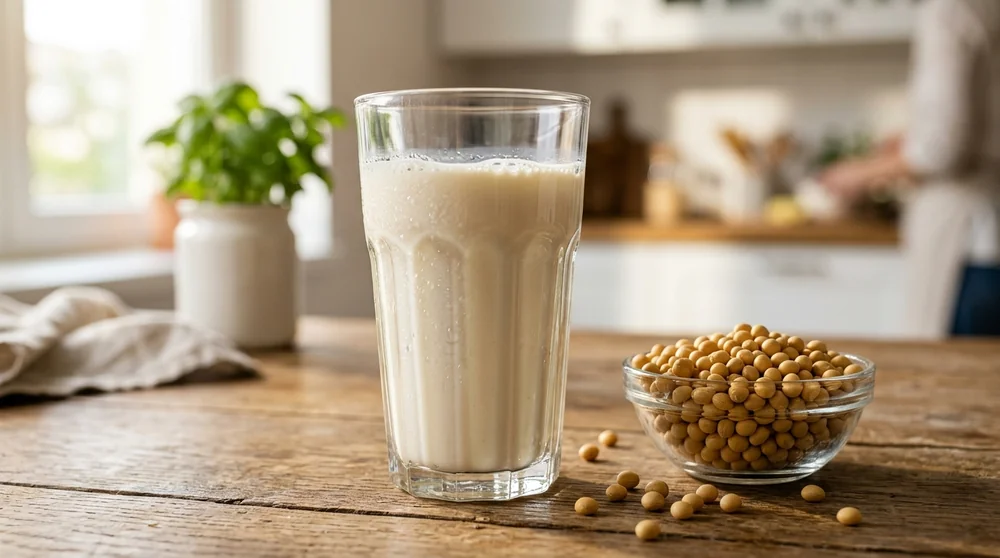
This is precisely where unsweetened soy milk shines as a quiet diet savior.
Protein is the absolute heavyweight champion of satiety. When you consume protein, your digestive system produces hormones that signal to your brain that you are full.
Drinking eight grams of clean soy protein in the morning keeps mid-day snack cravings at bay. You are far less likely to raid the office breakroom for stale donuts at 3:00 PM if your stomach feels genuinely satisfied.
Interestingly, several clinical trials reveal that soy isoflavones may help regulate metabolism. These compounds encourage your body to burn fuel efficiently rather than storing calories directly as stubborn belly fat.
However, a dangerous trap waits in grocery aisles.
Food companies love disguising sugary desserts as health food. Cartons labeled vanilla or chocolate often hide three teaspoons of added cane sugar per cup. That liquid sugar completely ruins your weight loss goals. Always read the back label carefully and choose unsweetened varieties.
The Blood Sugar Rollercoaster and Diabetes
Managing diabetes or prediabetes requires keeping daily blood sugar spikes under tight control.
Many popular beverages act like biochemical rollercoasters. Fruit juices, sweetened iced teas, and even lactose in regular milk can send your blood glucose levels soaring into the clouds.
Fortunately, unsweetened soy milk ranks near the very bottom of the glycemic index.
Soybeans are rich in complex carbohydrates and dietary fiber. When you drink soy milk, your body absorbs nutrients at a slow, measured pace. There are no sudden energy spikes followed by miserable mid-afternoon fatigue crashes.
Additionally, emerging research indicates that regular soy protein intake can improve insulin sensitivity over time. If you are watching blood sugar levels and wondering is soy milk good for you, plain unsweetened varieties provide steady, reliable daily energy.
The 2:00 AM Acid Reflux Nightmare
Anyone who has ever woken up in the middle of the night with blazing chest pain knows the horror of acid reflux. You sit upright in bed feeling like a mythical dragon that accidentally swallowed burning charcoal.
Many people reach for a cold glass of cow milk to soothe the fire. That choice is often a disastrous mistake.
Traditional whole milk feels cold and soothing for thirty seconds. Then the heavy saturated fats hit your stomach. Those fats trigger stomach acid production and relax the valve separating your stomach from your esophagus. Thirty minutes later, the heartburn returns twice as fierce.
Plant-based soy milk functions entirely differently.
Because it contains minimal saturated fat, it passes through the stomach quickly and smoothly. The creamy liquid coats inflamed esophageal tissues gently without provoking a second acid explosion.
Of course, human stomachs are deeply personal. A tiny percentage of people with sensitive digestive systems find that soy carbohydrates cause mild bloating. If you suffer from frequent heartburn, start with half a cup to see how your digestive system reacts.
Debunking the Wild Hormone Myths
No conversation about soy milk is complete without tackling the bizarre internet rumors surrounding hormones.
For years, male gym-goers warned each other that drinking soy would destroy their masculinity. Yet, science shows this worry makes no sense.
Soybeans contain natural plant compounds called isoflavones. Scientists classify them as phytoestrogens because their chemical structure loosely resembles human estrogen.
However, plant estrogen is not human estrogen. It binds to human hormone receptors weakly, acting as a gentle balancer rather than a potent steroid.
Extensive meta-analyses reviewing dozens of human clinical trials confirm that normal soy consumption does not lower male testosterone levels. Your gym gains are completely safe.
For women, especially those navigating perimenopause, these phytoestrogens offer remarkable natural relief. As natural estrogen levels drop in middle age, soy isoflavones can gently step in to cushion the fall. Many women report fewer hot flashes and improved daily mood stability simply by enjoying a cup each morning.
Practical Ways to Enjoy It Daily
Drinking soy milk does not mean you have to chug a lukewarm glass while holding your nose.
You can effortlessly integrate it into your existing daily routine:
Splash it into dark roast coffee. High-protein soy milk creates a velvety, thick morning latte that rivals fancy coffee shops. Cook your morning rolled oats in it instead of tap water for an instant protein upgrade. Blend it with a frozen banana, a spoonful of peanut butter, and cocoa powder for a nutritious afternoon shake. Use unsweetened plain varieties as a direct substitute in creamy pasta sauces, curries, and savory baked goods.
The Sensible Verdict: Is Soy Milk Good For You Daily?
Food trends will always come and go. Today it is oat milk, tomorrow it will be powdered sunflower seeds.
Yet, soybeans have quietly sustained healthy human civilizations across Asia for thousands of years.
When you strip away internet hysteria and clever marketing gimmicks, the nutritional facts speak for themselves. Unsweetened soy milk keeps you full for weight loss, treats blood sugar with gentle respect, and protects sensitive stomachs from acid fires.
Next time you find yourself staring blankly at forty cartons in the supermarket aisle, smile with confidence. Reach past the overpriced almond water, grab a carton of simple unsweetened soy milk, and let your body enjoy real nutrition.
Share this content: